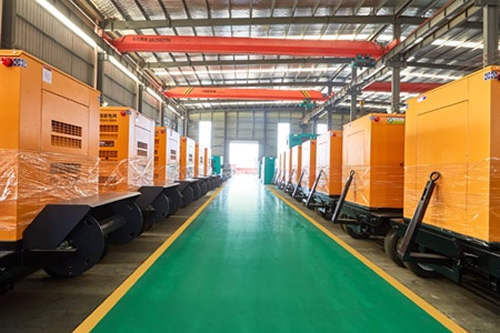
Inverter generators reduce sound output by up to 20 decibels compared to standard 3600 RPM models by decoupling engine speed from power frequency. Through Pulse Width Modulation, a 2000W inverter unit maintains 60Hz stable output while idling at approximately 2000 RPM under light loads. This mechanical shift prevents the constant high-pitch exhaust velocity found in traditional units. For applications requiring massive output, such as industrial facilities using a 100-4000KVA generator set, specific engineering adjustments must replicate this frequency stability through advanced electronic governors and sound-attenuated housing.
Traditional generators force the internal combustion engine to maintain a strict rotation speed to produce 60Hz electricity. A standard 2-pole generator requires 3600 RPM to reach this frequency, creating a constant, loud exhaust drone regardless of the actual power being consumed by tools or appliances.
Independent testing by acoustic engineers shows that reducing engine speed by 50% results in a sound pressure reduction of nearly 10 decibels. Because the decibel scale is logarithmic, this represents a significant decrease in perceived environmental noise levels.
Inverter units bypass the fixed-speed requirement by converting raw AC power into high-voltage DC current. This intermediate DC stage acts as a buffer that allows the engine to operate at varying speeds while the microprocessor-controlled inverter reconstructs a clean, stable AC wave.
| Load Level | Standard Generator Speed | Inverter Generator Speed | Sound Level Variance |
| 25% Load | 3600 RPM | 1800-2200 RPM | 12-15 dB(A) |
| 50% Load | 3600 RPM | 2500-2800 RPM | 8-10 dB(A) |
| 100% Load | 3600 RPM | 3600 RPM | 0-2 dB(A) |
The reduction in mechanical stress at low engine speeds extends the service life of internal components by approximately 30 percent in long-term residential usage patterns. Lower RPMs generate less friction and heat, which minimizes the expansion of metal parts and maintains tighter tolerances within the cylinder block.
Operating at lower speeds also allows for smaller, more efficient mufflers that are specifically tuned to the lower exhaust pulse frequency. Engineers utilize multi-chamber designs within the muffler assembly to trap acoustic energy before it exits the exhaust port, effectively silencing the combustion process.
Data from a 2024 noise mitigation study indicates that nearly 65% of generator-related sound complaints are linked to high-frequency exhaust noise generated at peak RPMs. Inverter technology shifts this sound profile to a lower, less intrusive range.
Internal components in inverter generators sit on specialized rubber isolators that dampen structural vibrations. These mounts prevent the chassis from acting as a resonator, which stops the transmission of engine pulses into the ground or surrounding surfaces during operation.
The physical enclosure of these units often utilizes high-density acoustic foam with a thickness of 20mm to 30mm. This material is rated to absorb sound waves effectively, preventing them from bouncing off the internal walls of the generator housing and escaping through intake or exhaust vents.
Engineers implement complex, S-shaped air intake pathways that force air to bounce multiple times before reaching the engine. This design allows for necessary cooling airflow while ensuring that sound waves dissipate their energy against the foam-lined interior surfaces before exiting the unit.
Maintaining a pure sine wave requires the inverter electronics to switch at high frequencies, often exceeding 20kHz. This ultrasonic switching speed ensures the output remains free from electrical noise, which protects sensitive household electronics from the voltage spikes that often cause buzzing in non-inverter power sources.
Choosing between a compact inverter unit and a heavy-duty 100-4000KVA generator set involves balancing portability with the physical size of the sound-dampening requirements. Larger power systems require custom acoustic enclosures to achieve the same decibel reduction levels found in smaller consumer-grade inverter models.
Proper ventilation remains a requirement for all quiet generators to prevent overheating during extended runtime. Modern designs use high-efficiency electric cooling fans that only activate when internal sensors detect temperature thresholds exceeding 85 degrees Celsius.
By controlling both the engine speed and the cooling airflow, inverter technology minimizes the total sound signature of the generator. These mechanical and electronic refinements turn power generation into a background element rather than a dominant noise source for any residential or commercial environment.